Tuesday, March 20, 2012
Folks Who Accomplish Great Works: My Friend
A great man just FaceBooked me! We worked together in his community several years back and I consider his actions to be "the" essential example of how important personal and social commitment is to the well being and growth of small rural communities. My job in economic development has given me the opportunity to view diverse communities that just can't keep it together. I have seen them struggle, fight and put more energy into self aggrandizing projects built upon a culture of personality based agendas than I care to remember. However, there is hope. When great women and men decide to lay aside the personal for the collective... miracles happen! I am glad to know my friend Dave. He is one of those unsung heroes who I hope will continue to live and work and serve in our towns, our cities, and our nation.


Wednesday, March 14, 2012
ONABEN Trading At The River Conference, April 19-20
ONABEN's Trading At The River Conference is coming up soon! April 19-20 at the Embassy Suites in Portland, Oregon
Trading at the River is the PREMIER event in the Pacific Northwest for Native entrepreneurs and Tribal Business Development. ONABEN brings together Native-owned businesses, social entrepreneurs and leaders in Native American business development initiatives in a continued effort to grow the economies of Indian Country and strengthen cultures and communities.
In its 10th year, the conference will continue ONABEN's exploration of the multiple dimensions and applications of creative enterprise to community and economic development. This year’s conference theme is “Transforming our Communities through Entrepreneurship: Catch the Dream, Follow the Spirit, Make it Happen.”
Trading at the River is a celebration of the spirit of Native American innovation and a showcase for Native American enterprises of all shapes and sizes. Like the historic gatherings that occurred among traders of this region in our past, Trading at the River creates a venue where goods are exchanged services rendered, inspiring stories are told and lessons are learned. It is a place where connections are made--business-to-business, native-to-native, tribe-to-tribe, and past to present.
Be sure and stop by to meet all of the Native American vendors at the event. We are Native people operating Native owned businesses. Buy Native!
Sunday, March 4, 2012
A Friend Who Went Ahead
Two weeks ago a dear friend passed to the other side. One of five siblings, she was the fourth to go in the last five months. A proud Burns Paiute woman, she left the earth a better place for having been here. Her kindness to those around her will never be forgotten. Hearing her gentle voice and incredibly funny giggle was always a delight. The week before she passed, I thought of her daily. She remembered me to her children and her daughter called to tell me the news. I am glad we were friends. I will always remember her. Take care Minerva.
Thursday, April 8, 2010
THE GIFT OF FEAR
Several weeks ago I received a call from a friend. She was attending a conference in Eugene and wanted to invite my husband and me to dinner. Never ones to pass on a free meal, we quickly agreed and arranged to meet the next evening for good food, conversation, and trading NDN (Indian) thoughts on politics and life. We had a lovely time and when everyone else had wandered off to check out the desserts, my friend’s lovely granddaughter and I were left at the table. It was then that she disclosed to me that she had been abused by a young man she was seeing. I became immediately upset. A beautiful and strong young Indian woman, just past her teens, was being hurt by someone she was casually dating.
As she shared her story with me, she did so with the eternal optimism of youth and told me that she wasn’t afraid and that she “could handle it”. I was very quiet for a moment and replied, “You are going to die”. She, like many Indian people had been taught to not show fear and when she started to cry, I understood that she had shared her story with me because she actually did know the relationship was toxic and dangerous to her.
I realized at that moment why my friend had brought her granddaughter with her to the conference. It was to to save her from being stalked and abused. The entire family had taken all of the appropriate steps of working with both the Tribal police and with the local authorities to ensure Granddaughter’s safety, however, the fear remained.
As an older Indian woman, I am often given the opportunity to listen to and hear stories told by young folks. This was not the first time I had heard the cry of an abused young person who thought s/he could “handle the situation” so I did not let a moment pass before I shifted into advocacy mode. I told her of a book I had read many years ago. It is titled, The Gift of Fear, and was written by a retired police officer who when he was on the force saw too many instances when people are abused because they don’t see fear as a gift that could save their lives. I suggested that I would deliver the book to her that evening at the hotel where they were staying. I figured that my friend would be the one to read the book but wasn’t sure if Granddaughter would do so.
A month passed and I received another phone call. This time the call was from Granddaughter, she was crying and she had called to thank me for the gift of the book because she felt it had saved her from further abuse. It seems that the young man had continued to stalk her and had attacked and attempted to strangle her as she left her place of employment. I was so relieved to hear that by simply reading the book she learned enough survival techniques that she was able to save herself.
Through reading the book Granddaughter had learned to remain calm and think her way through the situation. She learned that rather than argue, she should agree with her abuser and to run away and scream for help if she was being struck. Unfortunately, the young man was an astute observer of ethnic prejudice and as Granddaughter ran screaming through a parking lot, he ran after her and yelled, “Don’t worry, she’s just a drunken Indian. I am trying to calm her down”. People who were there simply turned and ignored what was happening. Fortunately she was able to get to a friend’s home before the abuser could catch up with her.
My reason for posting this story is that understanding fear as a gift can alert you to dangerous situations long before physical abuse is evident. Even if you live in the most peaceful rural community in rural Oregon, you may know of someone, or are someone, who is in an abusive relationship. There is help for you! Take the time to visit websites that offer services for folks who are suffering abuse in their domestic relationships. Read books like: The Gift Of Fear and Codependent No More. By simply speaking to someone about your situation you may just save a life. It could be yours.
As she shared her story with me, she did so with the eternal optimism of youth and told me that she wasn’t afraid and that she “could handle it”. I was very quiet for a moment and replied, “You are going to die”. She, like many Indian people had been taught to not show fear and when she started to cry, I understood that she had shared her story with me because she actually did know the relationship was toxic and dangerous to her.
I realized at that moment why my friend had brought her granddaughter with her to the conference. It was to to save her from being stalked and abused. The entire family had taken all of the appropriate steps of working with both the Tribal police and with the local authorities to ensure Granddaughter’s safety, however, the fear remained.
As an older Indian woman, I am often given the opportunity to listen to and hear stories told by young folks. This was not the first time I had heard the cry of an abused young person who thought s/he could “handle the situation” so I did not let a moment pass before I shifted into advocacy mode. I told her of a book I had read many years ago. It is titled, The Gift of Fear, and was written by a retired police officer who when he was on the force saw too many instances when people are abused because they don’t see fear as a gift that could save their lives. I suggested that I would deliver the book to her that evening at the hotel where they were staying. I figured that my friend would be the one to read the book but wasn’t sure if Granddaughter would do so.
A month passed and I received another phone call. This time the call was from Granddaughter, she was crying and she had called to thank me for the gift of the book because she felt it had saved her from further abuse. It seems that the young man had continued to stalk her and had attacked and attempted to strangle her as she left her place of employment. I was so relieved to hear that by simply reading the book she learned enough survival techniques that she was able to save herself.
Through reading the book Granddaughter had learned to remain calm and think her way through the situation. She learned that rather than argue, she should agree with her abuser and to run away and scream for help if she was being struck. Unfortunately, the young man was an astute observer of ethnic prejudice and as Granddaughter ran screaming through a parking lot, he ran after her and yelled, “Don’t worry, she’s just a drunken Indian. I am trying to calm her down”. People who were there simply turned and ignored what was happening. Fortunately she was able to get to a friend’s home before the abuser could catch up with her.
My reason for posting this story is that understanding fear as a gift can alert you to dangerous situations long before physical abuse is evident. Even if you live in the most peaceful rural community in rural Oregon, you may know of someone, or are someone, who is in an abusive relationship. There is help for you! Take the time to visit websites that offer services for folks who are suffering abuse in their domestic relationships. Read books like: The Gift Of Fear and Codependent No More. By simply speaking to someone about your situation you may just save a life. It could be yours.
Tuesday, April 6, 2010
Do I Sell My Work?
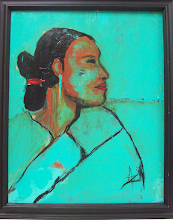
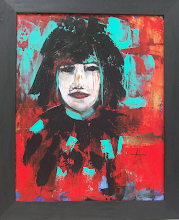
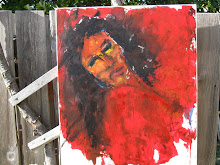
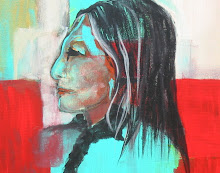
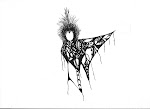
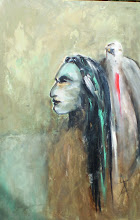
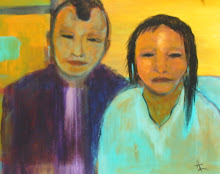
Several folks have asked if I sell my art work. OF COURSE! If you are interested in purchasing artwork from me please send me an email at azcarmenindianart@gmail.com.
Thanks for the interest and I hope to hear from you soon!
Thanks for the interest and I hope to hear from you soon!
National Indian Child Welfare Act Conference and Art Sale
April 11-14th is the NICWA Conference and Art Show. My work will be displayed at the event all four days. If you are in Portland, Oregon on those dates please come visit all of the great artists at the:
Doubletree Hotel Portland
1000 NE Multnomah Street
Portland, OR 97232
Phone: 503-331-4910
It would be great to see you there!
Doubletree Hotel Portland
1000 NE Multnomah Street
Portland, OR 97232
Phone: 503-331-4910
It would be great to see you there!
Monday, January 4, 2010
NDN Issues On RIPPLENW.org
I have been asked by the folks at the RIPPLENW site to blog about issues in Indian country. My first blog post received some fairly interesting responses. I wrote the first post to share how Indian Nations are back buying lost land to preserve their traditions and culture.
The second post is in regard to the 2010 Census. I am concerned about under reporting and the subsequent loss of financial support for Indian programs by the federal government. Make a difference be counted!
If you get a chance check out www.ripplenw.org. I will continue to write on my personal blog, so if you stop back by I would love to hear from you.
The second post is in regard to the 2010 Census. I am concerned about under reporting and the subsequent loss of financial support for Indian programs by the federal government. Make a difference be counted!
If you get a chance check out www.ripplenw.org. I will continue to write on my personal blog, so if you stop back by I would love to hear from you.
Subscribe to:
Posts (Atom)